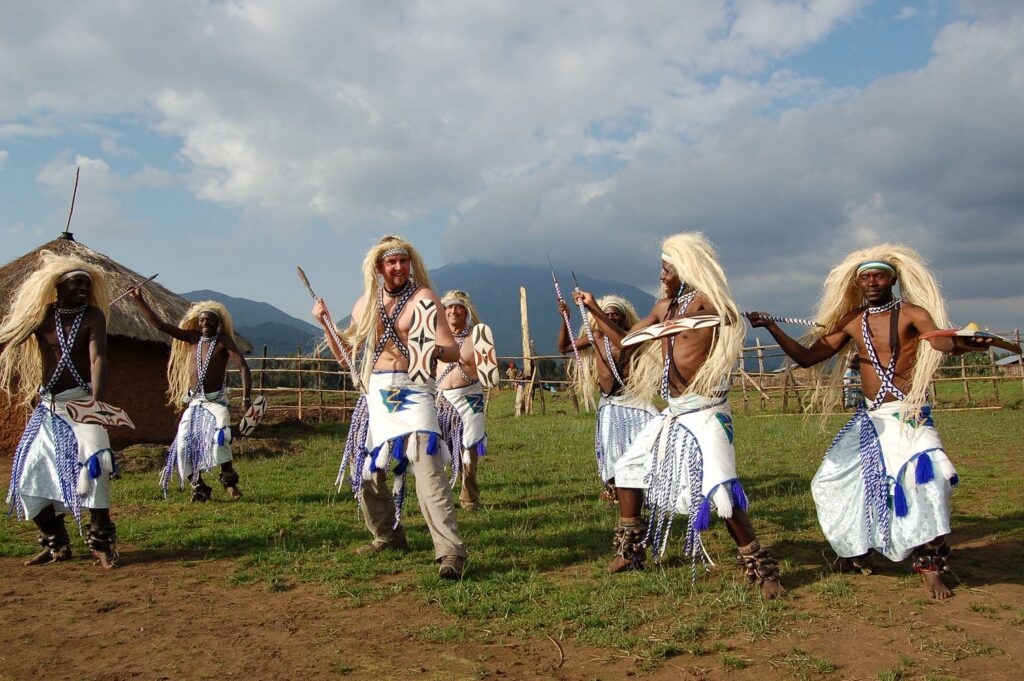
Iby’Iwacu Cultural Village
Iby’Iwacu Cultural Village is a community-owned enterprise in Rwanda established primarily to mitigate local disputes related to mountain gorilla conservation near Volcanoes National Park in Nyabigoma, Kinigi, Musanze District, northern Rwanda. Before its establishment, individuals relied on the resources of Volcanoes National Park through illicit poaching for bushmeat, timber, water extraction, and wild honey harvesting, which hindered the conservation of gorillas and other animals.
In addition to serving as a venue for locals to showcase Rwanda’s rich cultural heritage, the cultural village has launched significant projects aimed at transforming lives through enterprise development. Individuals utilize arts and crafts to establish community-based tourism businesses, enabling them to generate income from the sale of craft products to visiting tourists. The cultural village offers conservation assistance by educating villagers on sustainable agricultural initiatives, such as vegetable cultivation, beekeeping, and goat rearing, as alternative livelihoods to reliance on forest products. In 2011, the town launched a concept titled “goats for gorillas,” whereby each tourist participating in gorilla trekking contributes a sum comparable to the cost of a goat, which is then distributed to every local home residing near Volcanoes National Park. Poachers have been rehabilitated since they no longer rely on bushmeat, instead producing income through sustainable agriculture and goat husbandry, so ensuring economic and food security. Since the project’s commencement, approximately 10,000 goats have been sent to local communities surrounding Volcanoes National Park, leading to population growth and enhanced mountain gorilla conservation efforts by the people.
Consequently, local populations, including former poachers, have recognized the significance of wildlife protection while engaging with the tourism sector. This has been accomplished by engaging local communities in the park to assist children in accessing education, enhancing access to clean water, facilitating healthcare by advising individuals on improving hygiene and mitigating the risk of human infectious disease transmission to gorillas.
By doing so, future generations will understand the benefits of animal conservation while enhancing living standards and eliminating poverty, fostering optimism for the survival of gorillas.
Tourists engaging in gorilla tracking in Rwanda can immerse themselves in the distinctive traditional rural life, culture, and beliefs of the Rwandan people. This experience, facilitated by knowledgeable local guides, offers well-established activities that allow for active participation, providing a remarkable alternative to conventional wildlife safaris. Iby’Iwacu hamlet has drawn numerous Rwandan safari guests who subsequently contribute dollars directly to local residents by purchasing quality souvenirs or engaging in diverse activities.
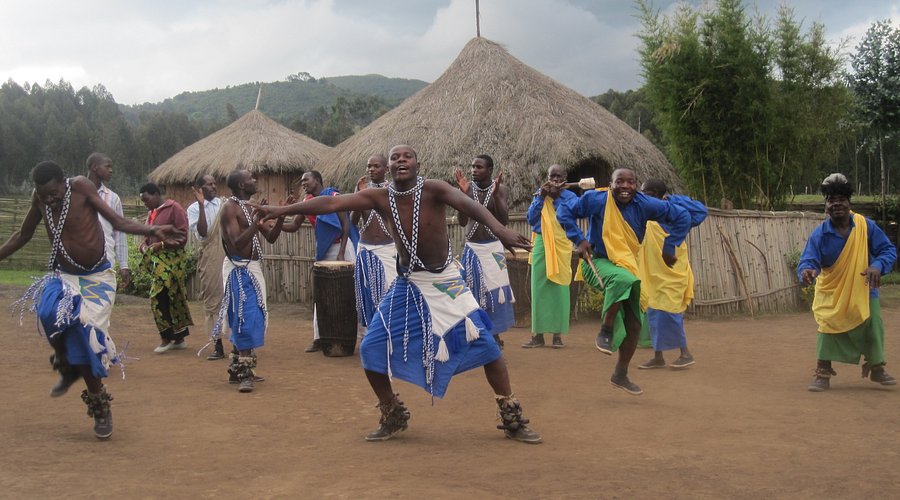
Anticipated Experiences on the Iby’Iwacu Village Tour
Iby’Iwacu village is an ideal enhancement to your gorilla trekking expedition. To experience the finest of Rwanda’s unique customs and traditions, this destination is highly recommended. During a cultural tour in Iby’Iwacu village, anticipate engaging in remarkable activities and experiences.
Entertainment
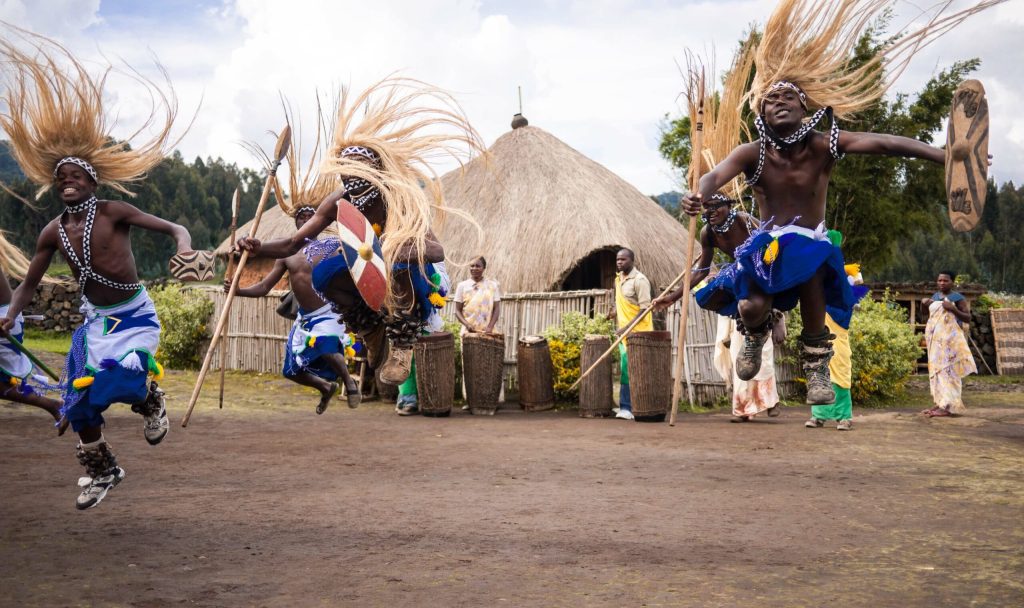
One can also partake in traditional dances, music, and drama presented by the local inhabitants. You will hear several native musical styles, including Ibyivugo, Umuduri, Amakondera, Ingoma, Agakenke, Iningiri, and others. The remarkable aspect of these sounds is their uniqueness, as they are produced using specialized instruments. The Intore dance is executed by guys adorned with little bells encircling their legs. The youthful and exuberant individuals dance with perpetual smiles and joyful expressions.
Tour the King’s Palace
Additionally, you may explore the King’s palace, a site where one can get knowledge about the governance and courtly practices of past monarchs. The ancient monarchs were both feared and revered. They have supreme authority and could make decisions unchallenged. The many activities and rituals were conducted in the palaces under the observation of the monarch, queen, princes, princesses, and clan chiefs. Iby’Iwacu village offers an authentic representation of the traditional African environment.
Encounter the traditional doctors
Similar to the past, traditional healers continue to play a significant role in their local communities today. The traditional healers were consulted on various matters, possessing knowledge of beneficial herbs, shrubs, and tree branches for the treatment of specific ailments. Upon encountering the traditional healers, they will exhibit their methods for crafting effective treatments for human ailments.
Community walks/village visits
Community and village tours provide tourists with an opportunity to discover the distinctive cultures and customs of the Rwandan people. You engage with the rural environment under the guidance of a seasoned local expert. The settlements adjacent to Volcanoes National Park possess a rich cultural heritage, providing ample opportunities for interaction with residents.
The guided community walks endure for two hours and are worthwhile, as participants receive a cordial reception from hospitable residents who will regard them as esteemed guests. As you become engrossed in village life, the young men and women will captivate visitors with eight varieties of Intore traditional dances, accompanied by traditional musical instruments such as drums and flutes. These performances feature gorilla songs composed by Ngayabatema and other locals to educate younger generations about conservation through rap songs known as Ibyivugo in Kinyarwanda.
The path also leads visitors to the historical location of the former Rwandan king’s traditional wooden and thatched palace. The local elder at the site will narrate intriguing anecdotes about the former king, elucidate the significance of various symbols, and provide an opportunity to observe a community ceremony that demonstrates how the king exercised his authority, allowing interested guests to participate.
Pottery Making
Pottery production constitutes a significant enterprise in the village, where the Batwa, formerly inhabitants of the forests, exhibit their expertise in wood carving, hunting techniques, fire-making from wood, and recount a poignant narrative of their transition from poaching to conservation following their eviction from the forest, as they adapt to new life challenges.
Your tour to nearby schools will reveal the significant influence of Ibyiwacu cultural village, as conservation education transforms the lives of young children, equipping them to become future conservationists. The founder of Ibyiwacu Cultural Village, Edwin Sabuhoro, received the worldwide Eco Tourism Club Award in 2007 for transforming poachers into conservationists, garnering backing from worldwide conservation organizations like the IUCN.
Essential Guidelines to Adhere to Photography Recommendations
Local guides will inform guests who wish to snap photographs about the unique sights, ensuring that they depart with memorable experiences. A visit to a local traditional healer provides an excellent opportunity to observe the application of indigenous medicinal herbs in the treatment of various ailments in contemporary society. A variety of plant species will be presented, along with an explanation of their significance.
While tourists partake in the community walk and engage with residents, an opportunity arises to discover the utilization of bananas in the brewing of local beer. You will engage in the seven-day fermentation process of local beer brewing and have the opportunity to drink banana beer while enjoying local cuisine and dining with residents in a banana plantation, creating an amazing cultural experience.
Additional Guidelines to Adhere to in Iby’Iwacu Village
- Maintain environmental cleanliness throughout your visit to Iby’Iwacu traditional village. Please refrain from discarding waste; instead, deposit it in the proper receptacles.
- Honor nature — refrain from harming the environment.
- Honor the local cultures, customs, traditions, and standards.
- Request authorization before to capturing photographs, as not all locations permit tourists to take images.
- Engage with people and inquire with your guide as extensively as possible.