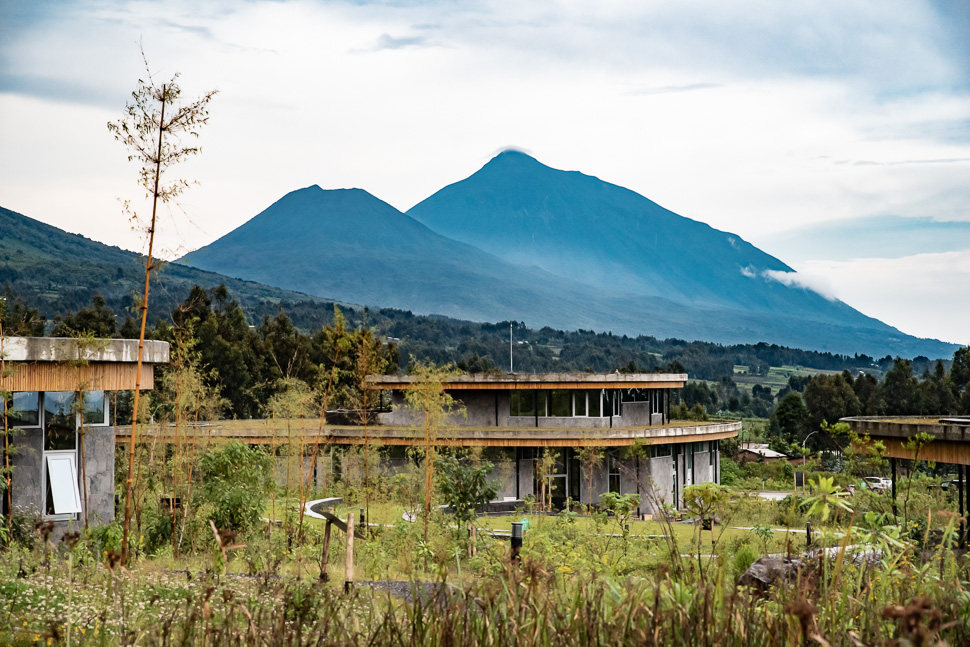
Visit Dian Fossey Museum
The narrative of mountain gorilla conservation and protection commenced in 1967. The Dian Fossey Museum (Karisoke Research Center) shows the enduring legacy of Dian Fossey, a passionate primatologist, conservationist, and environmentalist.
The Dian Fossey museum is a two-and-a-half-hour journey from central Kigali. The museum is located in Musanze, Northwestern Rwanda. The museum provides an overview of the successful conservation and preservation efforts for Rwanda’s mountain gorillas. It is also known as the Karisoke Exhibit, an ideal location where avid primate enthusiasts can acquire information regarding the success narrative of gorilla protection and conservation.
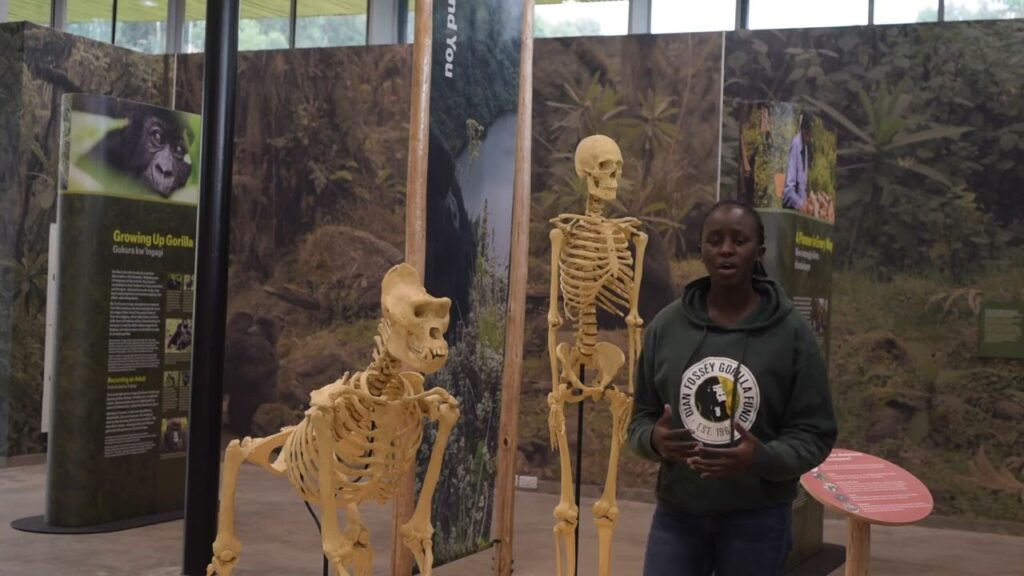
The Dian Fossey Museum was established by the Karisoke Research Center. This research center was once managed by the Dian Fossey Gorilla Fund International. The study facility and gorilla fund were established in honor of Dian Fossey. The museum provides an interactive exploration of gorilla conservation, and she founded the research center to assist with this endeavor.
Where is Dian Fossey Museum Located
The Dian Fossey Museum is located in Musanze, adjacent to Volcanoes National Park in Rwanda. The gorilla museum features numerous images, historical artifacts, information, and various interactive activities focused on mountain gorilla conservation and protection.
The exhibit center is an essential destination to consider visiting before or after gorilla trekking. It was established to enhance the Dian Fossey Fund’s conservation and educational programs for students and communities neighboring the park.
What exhibits are there at the Dian Fossey Museum/Karisoke Exhibit?
The Karisoke Exhibit consists of seven sections: the gorilla portion (overview, life history, and behavior of mountain gorillas); Dian Fossey and the history of Karisoke; the Virunga Mountains; biodiversity; conservation and difficulties; and collaboration with local communities and others.
The exhibition spaces include panels and posters containing comprehensive information and images. It is an ideal location to investigate gorillas in depth. The Dian Fossey area has actual antiques from her cabin and several photographs. The real snares are present here, while the biodiversity area contains skulls of bushbuck, buffalo, and duiker, as well as an elephant jaw.
The most advanced section of the Karisoke Exhibit includes “Virtual Virunga,” developed in collaboration with the Center for GIS and Imagine Lab. The exhibit center is open for visitation from Monday to Friday, between 2 PM and 4 PM. Experienced guides are available to assist you during your exploration of the facility.
Karisoke Research Center
The Karisoke Research Center has been in operation for almost 50 years. It was established by Dian Fossey primarily to assist her in conservation and scientific endeavors. Dian Fossey commenced her research on mountain gorillas in 1967 and dedicated 18 years to their study. The research facility is currently active in the Congo, particularly in efforts to save the Eastern lowland gorillas.
The Dian Fossey Fund promotes conservation efforts in Rwanda and the Congo. The Dian Fossey Fund prioritizes gorilla conservation and collaborates with government agencies, while also educating future scientists through relationships with the University of Rwanda. It also assists local communities in improving their lives.
Dian Fossey tomb site
Dian Fossey was mysteriously murdered, and her remains were interred in the Karisoke Research Center. She rests in the cemetery beside other gorillas, notably Digit, the silverback gorilla with whom she was deeply enamored; Uncle Bert, Kweli, Effie, and Macho.
What additional activities are available near the Dian Fossey Museum?
A visit to the Dian Fossey exhibit extends beyond the Ellen Degeneres campus, allowing exploration of adjacent sites, primarily Volcanoes National Park.
Gorilla trekking
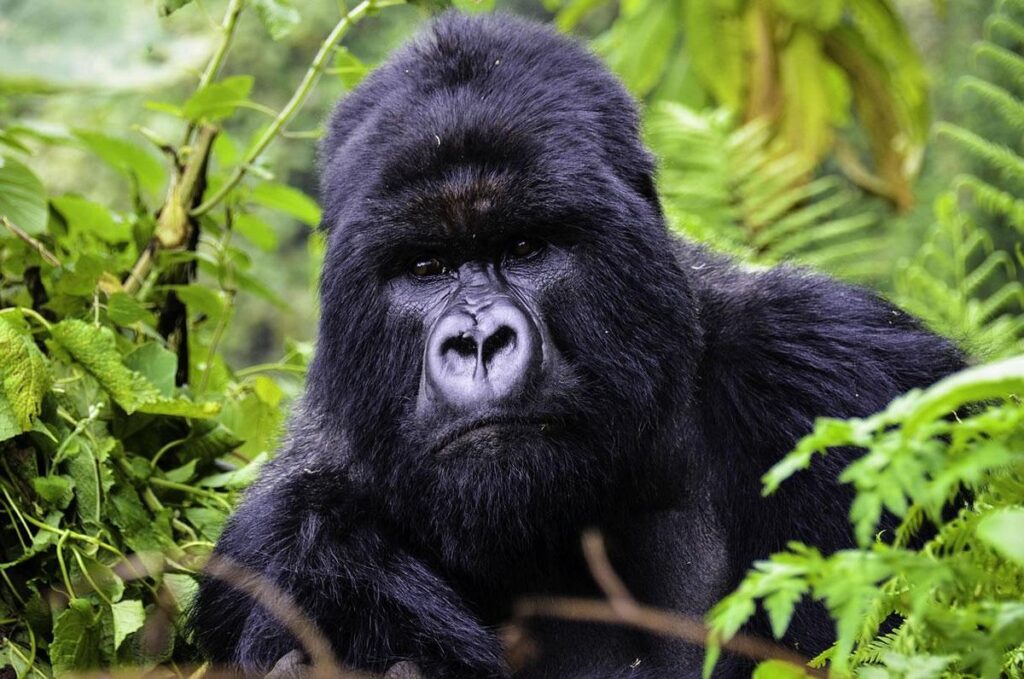
Gorilla trekking constitutes the primary activity in Volcanoes National Park. This excursion entails traversing the deep jungle areas of the park to perhaps observe the endangered mountain gorillas and engage with them for one hour. Volcanoes National Park is the sole park in Rwanda that shelters the endangered mountain gorillas. The park contains approximately 13 gorilla families, of which around 10 are habituated and available for daily hiking.
Guide nature walks and hikes.
Volcanoes National Park is a center for exhilarating adventures that appeal to any nature aficionado. This includes several hikes occurring on 5 of the 8 volcanic summits inside the park. These climbs are exhilarating, guiding the hiker through diverse natural systems with stunning vistas. In addition to being exciting and enjoyable, these guided nature walks and hikes are beneficial activities that assist in expending excess calories in the hiker’s body.
Golden monkey trekking
Golden monkey trekking resembles gorilla trekking; however, it entails spending one hour with the golden monkeys in their habitat within the expansive park. Golden monkeys are uncommon primates characterized by their golden fur on the cheeks and dorsal region. Approximately 80 golden monkeys inhabit Volcanoes National Park and are accessible for trekking.
Bird watching
The biological systems of Volcanoes National Park, encompassing the highland volcanic highlands and the bamboo-infused rainforest, promote avian reproduction. The park is home to more than 200 avian species. The park has 17 of the 25 unique species from the Albertine Rift Valley. The avian species comprise the Archer’s ground robin, Rwenzori double-collared sunbird, Rwenzori turaco, dusky crimson-wing, Rwenzori batis, red-faced woodland warbler, strange weaver, francolins, and collared apalis, among others.
Best time to visit the Dian Fossey Museum
When organizing a visit to the Dian Fossey Museum, ensure you monitor the optimal and most advantageous time for your visit. Volcanoes National Park experiences two annual seasons: the dry season and the wet season. The dry season is marked by high humidity and minimal or absent precipitation. This is the optimal period to visit the Dian Fossey Museum. This occurs from June to September and December to February.
Nevertheless, the rainy season also offers an opportune moment to visit the museum. In contrast to trekking and other outdoor pursuits in the park, the Karisoke Research Center is sheltered and may remain unaffected by the seasonal high rainfall.