
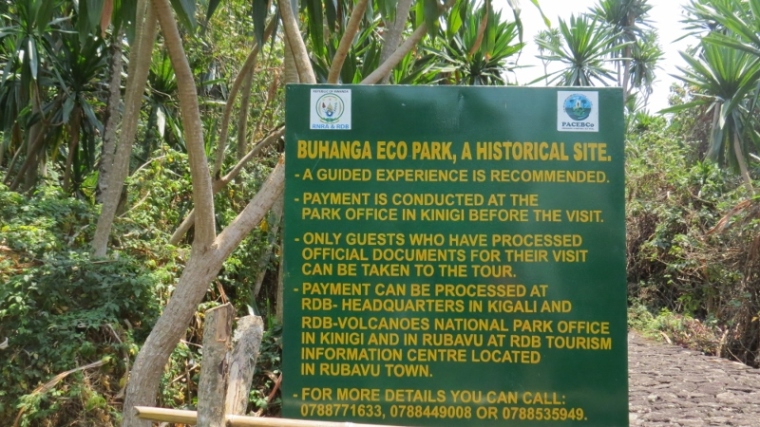
Buhanga Eco Park
Buhanga Eco Park, situated a brief drive from Musanze town in Rwanda’s Northern Province, is a concealed treasure that presents a unique amalgamation of abundant wildlife, old cultural history, and sustainable tourism. Covering more than 37 hectares, this ecological haven exemplifies Rwanda’s steadfast dedication to environmental conservation and cultural preservation. Buhanga Eco Park provides a more secluded and contemplative nature retreat compared to Rwanda’s more renowned attractions like Volcanoes National Park, distancing itself from the crowded tourist routes.
Buhanga Eco Park, situated within verdant forest canopies, offers a serene refuge for nature aficionados, cultural enthusiasts, and environmentally conscious travelers. This eco-park possesses considerable ecological and historical significance, having formerly served as a holy woodland for royal coronation ceremonies of ancient Rwandan monarchs. Today, it beckons visitors to traverse the same paths that once resonated with spiritual chants, while appreciating a plethora of flora, animals, and guided nature trails.
Visitors can merge their excursion to Buhanga Eco Park with the transformative experience of Uganda Gorilla Trekking, allowing a profoundly immersive East African journey that harmonizes cultural exploration and wildlife observation. Buhanga Eco Park, situated near Volcanoes National Park and adjacent to the Uganda border, is an exceptional option for individuals seeking to merge Rwanda’s eco-tourism attractions with Uganda’s renowned gorilla trekking expeditions.
Diverse Flora: A Natural Botanical Treasure
Buhanga Eco Park, Rwanda’s lush sanctuary, thrives amid its pristine natural forest. This old tropical forest is characterized by native tree species such as the tall Entandrophragma excelsum (giant mahogany), ficus trees, and various hardwoods that form a dense, shaded canopy. The atmosphere is saturated with the aroma of damp soil and verdant vegetation, while the forest floor flourishes with a varied undergrowth of ferns, mosses, herbs, and vines. Traversing this jungle-like setting, tourists encounter an unmatched bond with nature.
This flora diversity is not only aesthetically impressive but also ecologically essential. These native species assist in regulating the microclimate, mitigating erosion, and sustaining diverse wildlife populations. The towering trees create natural green tunnels that allow filtered light to produce a magical ambiance, rendering it an optimal site for eco-tours, photography, and nature meditation.
Fauna: A Haven for Wildlife Enthusiasts
Buhanga Eco Park: Rwanda’s Verdant Sanctuary is not only home to diverse plant life but also serves as a sanctuary for several wildlife species. Observations of primates are prevalent, with blue monkeys and golden monkeys being observed traversing the branches. Birdwatchers will be exhilarated by the varied avian population, comprising both native and migratory species. The woodland resonates with the calls of warblers, turacos, and weavers, producing a harmonious backdrop for trekkers.
The park sustains a robust population of insects, amphibians, and invertebrates—crucial elements for preserving ecological equilibrium. From butterflies fluttering in sunlight to vibrant beetles residing in decaying logs, each organism enhances the park’s abundant variety.
Conservation and Sustainability at Buhanga Eco Park: Rwanda’s Lush Sanctuary
Conserving Natural Heritage via Community-Driven Conservation
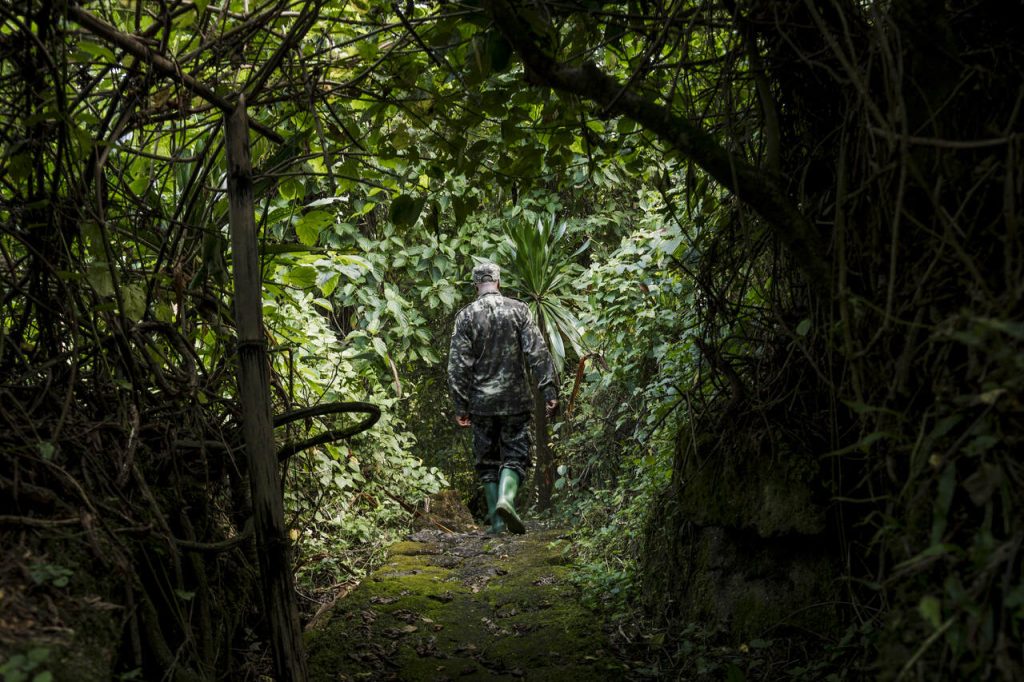
The essence of Buhanga Eco Park: Rwanda’s Lush Sanctuary is a robust conservation principle. The Rwandan government and local communities have together endeavored to save this precious forest from the perils of deforestation, unlawful harvesting, and habitat degradation. Conservation initiatives encompass regular forest patrols, habitat restoration endeavors, and awareness campaigns designed to advocate for the sustainable utilization of natural resources.
Local community members actively participate as eco-guards, guides, and cultural performers, guaranteeing that tourism profits advantage adjacent areas. This conservation-through-tourism concept has yielded beneficial results for both the ecological and community livelihoods.
Reforestation and Habitat Restoration
A principal conservation initiative executed in Buhanga Eco Park: Rwanda’s Verdant Sanctuary is forest regeneration. Reforestation initiatives concentrate on the cultivation of indigenous trees, the eradication of exotic flora, and the restoration of regions impacted by historical human intrusion. These restoration initiatives preserve the park’s natural integrity and provide visitors with an experiential learning environment on ecosystem management.
The park’s administration prioritizes the preservation of ecological corridors connecting Buhanga to adjacent protected areas, facilitating wildlife movement and sustaining genetic variety. This strategic method guarantees that the eco-park continues to be a viable and dynamic element of Rwanda’s extensive conservation framework.
The Cultural Legacy of Buhanga Eco Park: Rwanda’s Lush Sanctuary
Historical Sacred Sites of Rwandan Monarchs
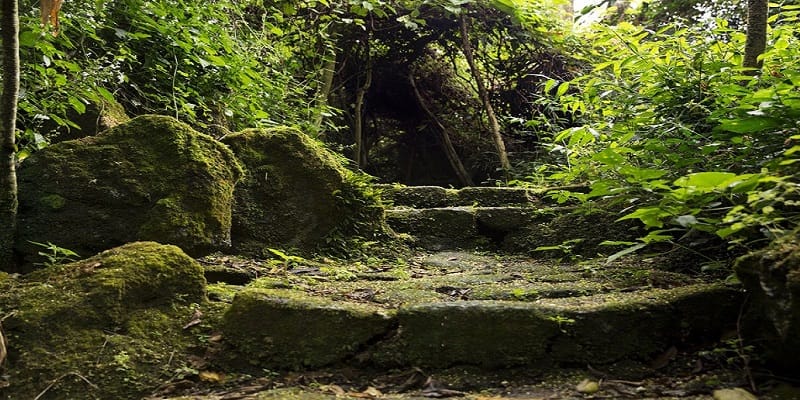
In addition to its ecological significance, Buhanga Eco Park: Rwanda’s Verdant Sanctuary is imbued with historic cultural and spiritual legacy. The park is thought to be the location where Rwandan monarchs washed and performed purification rituals before to their coronation celebrations. Traces of this regal history are evident in the shape of religious caves, groves, and stone platforms dispersed throughout the forest.
The park’s routes traverse these important spots, enabling visitors to experience the magical aspects of Rwanda’s pre-colonial traditions firsthand. Every step at Buhanga Eco Park is a historical journey, where spiritual energy lingers in the rustling leaves and serene clearings.
Living Culture: Interacting with Local Communities
Cultural tourism is a hallmark of Buhanga Eco Park: Rwanda’s Lush Sanctuary. Local communities invite guests to engage in cultural performances, storytelling sessions, and traditional rites. Guests may view or participate in celebratory dances, listen to folklore recounted by elders, and witness artists crafting woven baskets, wooden sculptures, and ceramics employing traditional techniques.
The immersive cultural interactions enhance the safari experience while simultaneously empowering local communities both economically and socially. Cultural tourism preserves traditional knowledge and inspires younger generations to maintain their legacy.
Travelers from Uganda engaging in gorilla trekking will find this cultural stop a stimulating addition to their wildlife-centric schedule, facilitating a greater comprehension of the region’s populace and traditions.
Engagements & Visitor Experience in Buhanga Eco Park: Rwanda’s Lush Sanctuary
Guided Nature Walks and Ecotourism Adventures
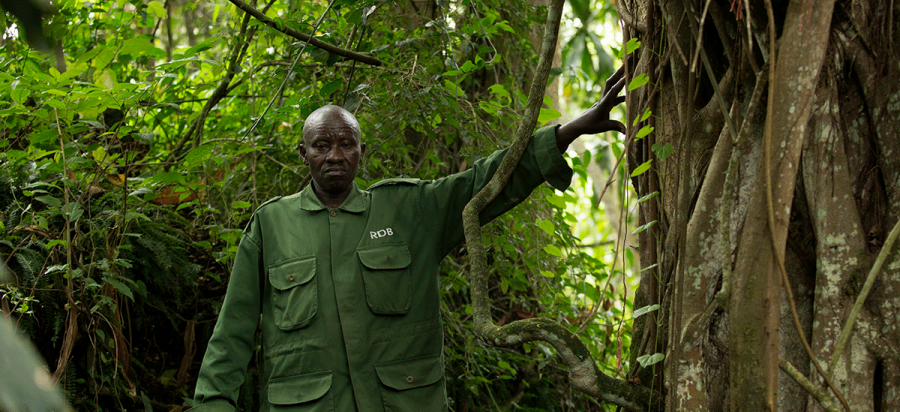
Buhanga Eco Park: Rwanda’s Lush Sanctuary provides a tranquil and fulfilling experience for eco-tourists. Experienced local rangers provide guided hikes, imparting knowledge about the park’s ecology, fauna, and ancient history. The park’s meticulously maintained trails guide tourists through scenic valleys, revered groves, and expansive overlooks, fostering indelible memories throughout the journey.
The excursions accommodate all fitness levels, from brief educational strolls to prolonged forest treks. Each trip reveals a distinct aspect of the park’s ecological or cultural composition, rendering it suitable for families, couples, single visitors, and student groups.
Educational Tourism and Environmental Learning
Buhanga Eco Park: Rwanda’s Verdant Sanctuary functions as an outdoor school for environmental education, in addition to providing recreational opportunities. The park conducts workshops and interactive sessions for educational institutions, conservation organizations, and inquisitive visitors seeking knowledge about biodiversity, forest ecology, and sustainable development.
Interpretive signage along the paths enhances the tourist experience, while live demonstrations and nature-oriented activities encourage people to embrace conservation-friendly practices. For visitors engaging in gorilla trekking in Uganda, Buhanga’s educational resources offer a comprehensive understanding of local conservation initiatives.